
 See Our Latest Article on HelloNation
Can Minor Aches Lead to Bigger Health Issues?
Even mild discomfort, such as occasional back twinges or that familiar achy feeling after yardwork, can be a sign of something deeper for residents of Floral Park, NY. What starts as a minor ache may develop into significant health challenges if overlooked for too long. The body signals distress even before pain becomes severe, and small symptoms can alert local residents to early joint, muscle, or nerve issues that are easier to manage if caught soon.
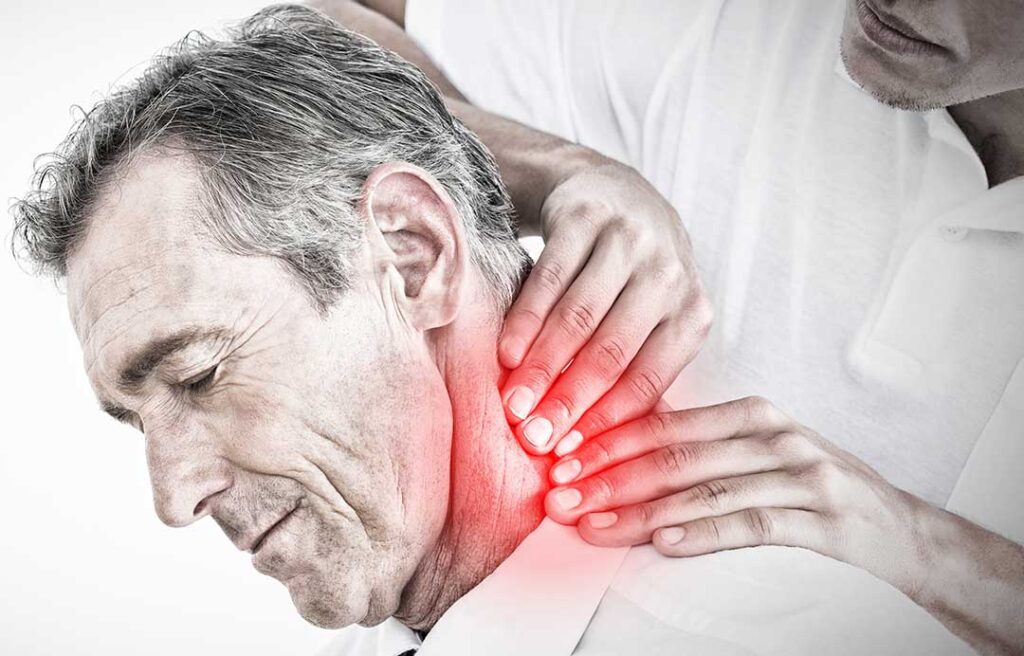
For example, a minor neck ache from sleeping awkwardly might be dismissed, but it could stem from improper pillow use or ongoing posture issues common in area homes, especially with remote work setups. Without attention, small pains can add up over the months, affecting daily activities.
Why Do People in Floral Park Often Ignore Small Pains?
Many community members assume aches are just a normal part of aging, seasonal activity, or busy family routines. In reality, ignoring discomfort can lead to unnecessary restrictions on work, gardening, or enjoying area parks and recreational activities.
Some common reasons people dismiss minor symptoms include:
- Belief that pain will disappear on its own
- Busy schedules that push health to the bottom of the to-do list
- Thinking only sudden or severe pain is worth addressing
- Habitual use of over-the-counter remedies without investigating root causes
This approach can backfire, as unaddressed issues like joint misalignment or repetitive strain from local sports or house projects may quietly worsen until more intrusive care becomes necessary.
How Do Everyday Activities Trigger Persistent Issues?
Day-to-day routines in Floral Park often include shoveling snow, tending to gardens, commuting, or household repairs. Each of these activities, if done with less-than-ideal body mechanics, can create small strains that accumulate with time.
Examples seen frequently in the community include:
- Back strain from lifting heavy grocery bags up townhouse steps
- Repetitive arm pain from gardening or seasonal yard cleanups
- Neck and shoulder aches from long drives on the Cross Island Parkway or working on a laptop at the dining table
- Soreness after raking leaves or clearing snow, especially when temperatures swing drastically
Left unchecked, these minor pains can impact sleep, posture, or flexibility, and even influence balance and mobility in older adults.
Are Minor Pains Ever a Sign of Something Serious?
While most minor aches stem from lifestyle habits or overuse, certain symptoms should be recognized as red flags. If pain is persistent, accompanies numbness, weakness, or unexplained swelling, or interferes with basic movement, it may signal an underlying issue in the joints, nerves, or soft tissue.
Persistent foot or ankle pain after neighborhood walks, or hand discomfort while gardening, may indicate underlying wear-and-tear (osteoarthritis) or nerve compression. Residents recovering from minor car accidents or slips in icy weather might notice discomfort that lingers longer than expected, which can signal soft tissue injuries.
Ignoring early signs may mean missing the window where conservative approaches are most effective.
What Can Residents Do at Home Before Symptoms Worsen?
Proactive steps can often prevent minor pains from turning into bigger problems. Local households can:
- Use supportive seating and ergonomic arrangements for remote work
- Build regular stretching routines into daily habits
- Practice safe lifting techniques, especially during moving, storage, or heavy grocery trips
- Alternate tasks and take short breaks during repetitive work (gardening, snow shoveling)
- Monitor for changes in pain, especially if it starts to interfere with normal routines

Simple lifestyle changes, like taking walks on community paths or gentle home stretching, help maintain flexibility and circulation.
What Are Common Misconceptions About Subtle Symptoms?
Many area residents believe that only sudden or severe pain requires attention, or that aches are an inevitable part of a busy, active life in Floral Park. However, lingering discomfort—no matter how mild—often points to strain, misalignment, or compensation that can quietly worsen.
Misconceptions sometimes include:
- “It’s just normal aging.”
- “I’m too busy; it will go away.”
- “Pain is only bad if it stops me from moving.”
- “If it can be ignored, it isn’t serious.”
Early recognition enables more choices and typically better outcomes for local families.
Can Ignoring Aches Affect Future Lifestyle and Independence?
Minor pains influence daily life in subtle ways, from limiting neighborhood walks to avoiding the stairs in a two-story home. In the long run, unaddressed discomfort can erode physical confidence, impact sleep, and disrupt participation in community events, sports, or family activities.
Active aging and long-term joint health become more difficult if symptoms are ignored until they’re advanced. Taking small steps when pain starts may help local residents maintain the freedom to enjoy all the community has to offer—whether playing with grandkids in local parks or simply tending to garden beds each spring.
