
 See Our Latest Article on HelloNation
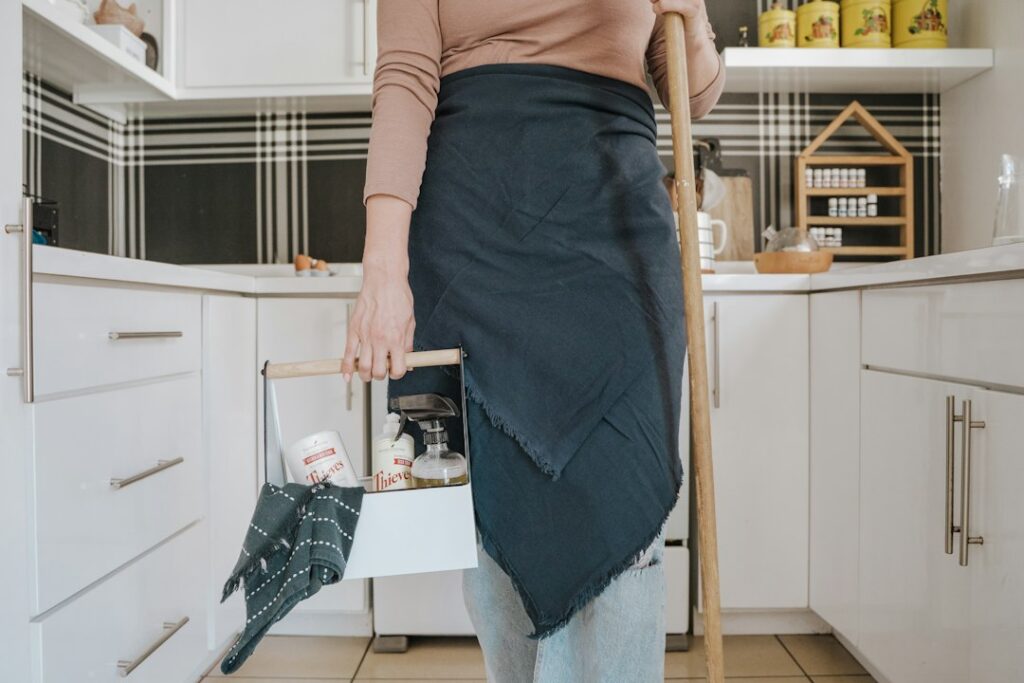
Daily chores rarely feel strenuous at first. A basket of laundry, a full trash bag, a low cabinet, or several minutes of shoveling can become a problem when the spine is repeatedly bent, twisted, or held in one position. Protecting the back during household tasks is less about avoiding movement and more about using better positions, smaller loads, and planned breaks.
Why can ordinary chores bother the spine?
Repetitive bending, reaching, lifting, and twisting can place extra stress on the muscles, joints, and discs of the back. The risk often increases when a person is tired, rushing, working in a cramped space, or handling an object that is heavier or more awkward than expected.
A task may also feel harmless when done once but become irritating after several repetitions. Washing dishes, making beds, folding laundry on a low surface, or clearing outdoor debris can keep the back rounded for extended periods.
Pain does not always mean serious damage, but it is a reason to change the activity. Continuing through sharp, spreading, or progressively worsening pain can make recovery more difficult.
What is the safest way to lift a household object?
The safest lifting method begins before the object leaves the ground. Stand close to it, clear the path, and decide where it will go before lifting.
Use these steps:
- Place the feet about shoulder-width apart for balance.
- Keep the object close to the body rather than reaching forward.
- Bend through the hips and knees instead of folding at the waist.
- Tighten the abdominal muscles gently before lifting.
- Rise smoothly using the hips and legs.
- Keep the shoulders and hips facing the same direction.
- Turn by moving the feet rather than twisting the spine.
- Lower the object with the same controlled movement.
There is no universal “safe” weight that applies to everyone. A lightweight object can still cause trouble if it is lifted from the floor, held away from the body, or carried while turning. If an item feels unstable, bulky, or difficult to grip, divide the load or ask for assistance.
How should laundry, groceries, and trash be handled?
Household bags are often harder on the back than their weight suggests because they shift, lack firm handles, or are carried on one side. Use smaller loads when possible, and distribute weight between both hands.
For laundry, avoid lifting a full basket from the floor while bending forward. Place it on a raised surface first, or carry smaller amounts. When moving clothes from a washer or dryer, stand close and avoid reaching across the opening with a rounded back.
For groceries, divide heavy items between several bags. Carry them close to the body, and avoid letting one arm hang far below the other. When unloading a vehicle, bring items to the edge before lifting rather than reaching deep into the cargo area.
Trash bags deserve extra caution. Do not yank a heavy bag upward or twist while pulling it from a bin. Loosen the bag, use both hands, and keep the path clear. A rolling container can reduce carrying, especially for larger loads.
How can cleaning tasks be made easier on the back?
Cleaning becomes more spine-friendly when the work is brought closer to waist level. Use tools with handles long enough to avoid constant stooping, and adjust the position of the body instead of stretching from an awkward angle.
While vacuuming, mopping, or sweeping:
- Keep the handle near waist height.
- Use short, controlled strokes.
- Move the feet and hips with the tool rather than rotating only through the back.
- Avoid leaning far forward to reach beneath furniture.
- Change hands occasionally if the task is prolonged.
- Take brief standing or walking breaks before discomfort builds.

When cleaning a bathtub or low surface, kneeling with support may be easier than bending repeatedly from standing. Avoid staying in one position for too long. Alternating between kneeling, sitting on a low stable stool, and standing can reduce sustained strain.
For dishes, stand close to the sink and avoid leaning your abdomen against the counter while reaching forward. A small, stable footrest may allow the weight to shift between the legs, but it should never create a tripping hazard.
What should residents consider during seasonal outdoor chores?
Seasonal work can place unusual demands on the spine. In Floral Park, NY, winter conditions may involve clearing snow and ice, while warmer months often bring yard cleanup, gardening, and outdoor maintenance around homes.
Snow removal is safer when the shovel is appropriately sized and the load is kept light. Push snow when possible instead of lifting it. If lifting is necessary, face the direction of the throw, keep the shovel close, and avoid twisting to one side. Several short sessions are generally easier on the back than one long effort.
For gardening, raise planting containers and tools when possible. Use a kneeling pad, alternate sides, and change positions regularly. Do not remain bent over for long periods. A long-handled tool can reduce repeated folding at the waist, but it should still be used with the body facing the work.
Wet leaves, soil, and slush can become surprisingly heavy. Smaller batches reduce the need for sudden pulling or lifting.
Does “lifting with the legs” prevent every back injury?
No. Using the legs is helpful, but technique alone does not eliminate risk. The size, shape, distance, repetition, speed, and stability of the load all matter.
A person can strain the back while lifting correctly if the object is too heavy, held too far away, or lifted many times without rest. Conversely, a light item may be manageable even if it is lifted from a higher surface with a neutral posture.
A better rule is to reduce the total demand: make the load lighter, move it closer, raise the work surface, use a cart when practical, and pause before fatigue changes body mechanics.
When should back pain during chores be evaluated?
Mild soreness that improves with rest and ordinary movement may settle over time, but persistent or recurring symptoms deserve attention. Stop the activity if pain becomes sharp, travels into an arm or leg, or is accompanied by tingling, numbness, or weakness.
Urgent medical evaluation is appropriate for back pain associated with loss of bladder or bowel control, numbness around the groin, significant weakness, fever, unexplained weight loss, major trauma, or severe pain that does not ease. People with osteoporosis, a history of cancer, or other significant health conditions should also take new back pain seriously.
The goal during daily chores is not to keep the spine rigid. It is to keep movements controlled, avoid unnecessary twisting, distribute effort, and respond early when the body signals that a task needs to be changed.
