
 See Our Latest Article on HelloNation
What can athletes and families in Floral Park, NY do to reduce concussion risk?
No strategy can prevent every sports concussion, but athletes, parents, coaches, and officials can reduce risk by limiting dangerous contact, using properly fitted protective equipment, following sport-specific rules, and responding quickly when symptoms appear. Prevention is not limited to helmets; it also depends on coaching, communication, practice design, and a culture that treats reporting symptoms as responsible behavior.
A concussion is a type of traumatic brain injury caused by a bump, blow, or jolt to the head—or by a hit to the body that makes the head and brain move rapidly. It can happen in collision sports such as football, hockey, or lacrosse, but also in soccer, basketball, cheerleading, cycling, skating, and recreational play. ([healthychildren.org](https://www.healthychildren.org/English/health-issues/injuries-emergencies/sports-injuries/Pages/Sports-Related-Concussion-Understanding-the-Risks-Signs-Symptoms.aspx?utm_source=openai))
Why does safe technique matter?
Teaching athletes how to move, fall, tackle, block, and make contact safely can reduce dangerous impacts. Coaches should emphasize keeping the head out of contact, avoiding head-first tackling, and stopping play when a rule violation creates an unsafe situation.
Useful habits include:
- Learning and consistently using sport-specific contact techniques
- Keeping the head up when approaching another player
- Avoiding hits directed at an opponent’s head or neck
- Following rules designed to prevent checking, spearing, or unnecessary contact
- Practicing controlled falls and safe landings where appropriate
- Speaking up when equipment, field conditions, or drills appear unsafe
Sports programs can also reduce exposure by limiting unnecessary contact during practices. Full-speed collisions do not need to be part of every training session. The CDC recommends enforcing safety rules, discouraging head-first actions, educating participants, and limiting contact practices in sports where collisions are common. ([cdc.gov](https://www.cdc.gov/heads-up/prevention/?utm_source=openai))
Do helmets prevent concussions?
Helmets reduce the risk of skull fractures and other serious head injuries, but no helmet can make an athlete concussion-proof. A helmet should be matched to the activity, properly fitted, fastened correctly, and replaced after significant damage or according to the manufacturer’s safety guidance.
Before participation, check that:
- The helmet fits snugly without creating painful pressure
- It does not slide excessively when the athlete moves
- Straps and fasteners are secure
- Padding is intact and not compressed or missing
- The equipment is approved for the specific sport
- The helmet has not been damaged in a crash or collision
Families should be cautious about products that promise to prevent all concussions. Such claims overstate what protective equipment can do. Proper equipment is one layer of protection, not permission to take greater risks. ([healthychildren.org](https://www.healthychildren.org/English/health-issues/injuries-emergencies/sports-injuries/Pages/Concussions.aspx?utm_source=openai))
For activities common in and around residential neighborhoods—such as bicycling, skateboarding, skating, or riding recreational vehicles—helmets should be worn every time, not only during organized practice. Uneven pavement, wet surfaces, fallen leaves, and reduced visibility during darker winter afternoons can increase the chance of a fall, even outside a formal game.
How can parents and athletes create a safer reporting culture?
Athletes should know that reporting a symptom is not the same as quitting. A player who says, “I do not feel right,” may be describing a concussion even without losing consciousness.
Parents can make reporting more likely by discussing concussion safety before the season begins. A simple conversation can cover:
- What symptoms should be reported immediately
- Which adults should be told
- Why an athlete must leave play if a concussion is suspected
- Why returning secretly can prolong recovery or cause another injury
- How teammates can support someone who needs to sit out
Coaches and parents should praise honest reporting rather than rewarding athletes for hiding symptoms. Symptoms may include headache, dizziness, confusion, nausea, blurred vision, unusual tiredness, sensitivity to light or noise, difficulty concentrating, slowed reactions, or changes in mood and behavior. They may appear immediately or develop hours or days later. ([cdc.gov](https://www.cdc.gov/heads-up/signs-symptoms/index.html?utm_source=openai))
What should happen after a possible concussion?
The athlete should be removed from play immediately and should not return that day. A coach, parent, or teammate should not try to determine whether the injury is “only” a minor hit. A healthcare provider should evaluate the athlete and guide the return-to-sports process. ([cdc.gov](https://www.cdc.gov/heads-up/response/index.html?utm_source=openai))
Emergency medical attention is needed for danger signs such as:
- Repeated vomiting
- A worsening headache
- Increasing confusion, agitation, or unusual behavior
- Seizures
- Weakness, numbness, slurred speech, or poor coordination
- Difficulty waking up or staying awake
- Loss of consciousness followed by worsening drowsiness
- Unequal pupils or double vision
These signs can indicate a more serious brain injury and should not be managed at home. ([cdc.gov](https://www.cdc.gov/heads-up/signs-symptoms/index.html?utm_source=openai))
How does a safe return to sports work?
Returning to sports is gradual, not an all-at-once decision. The athlete should first resume regular school and daily activities as directed, then progress through increasingly demanding activity under medical guidance. Each step generally requires at least 24 hours, and symptoms should be monitored after every increase in exertion.
If symptoms return, the athlete should stop, rest as directed, and discuss the setback with the healthcare provider. The CDC states that an athlete should only return to sports after approval from a healthcare provider, and the progression may take a week or longer. ([cdc.gov](https://www.cdc.gov/heads-up/guidelines/index.html?utm_source=openai))
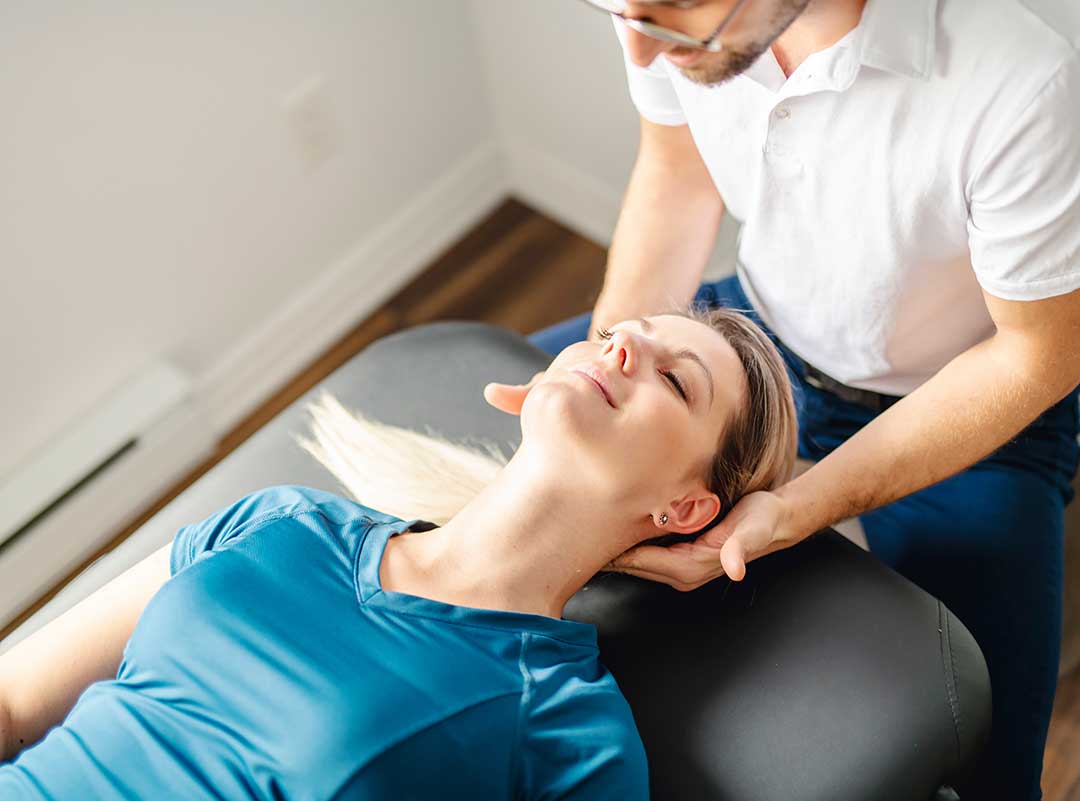
A chiropractic evaluation may be relevant for selected musculoskeletal concerns—such as neck discomfort or movement limitations—after the athlete has been medically assessed for the head injury. Chiropractic care should not be used to diagnose a concussion, replace emergency evaluation, or authorize return to play. The medical clearance decision belongs to an appropriately qualified healthcare provider familiar with concussion management.
What can local sports programs review before the season?
A safer program has a written concussion policy that parents and athletes understand before the first practice. It should identify who removes an athlete from play, how families are notified, how symptoms are monitored, and what documentation is required before return.
Programs can also review:
- Emergency contact information and access to first-aid supplies
- Coach and official education on concussion recognition
- Field, court, rink, and playground hazards
- Lighting and visibility during evening practices
- Weather-related surface changes, including wet or icy conditions
- Equipment inspection and replacement procedures
- Practice plans that limit unnecessary collisions
- Communication among coaches, parents, school personnel, and healthcare providers
For area households balancing school, recreation, and organized athletics, prevention works best as a shared routine rather than a single piece of equipment. Safer technique, appropriate rules, honest symptom reporting, and a cautious return to activity each reduce the chance that a manageable injury becomes a more serious one.
