
 See Our Latest Article on HelloNation
Growing older does not automatically mean losing the ability to walk comfortably, climb stairs, get out of a chair, or manage household activities. Mobility can change because of joint stiffness, back pain, reduced muscle strength, balance problems, previous injuries, or simply becoming less active after discomfort begins.
For older residents in Floral Park, NY, chiropractic care may be one part of a broader mobility plan. Its most useful role is usually conservative: assessing musculoskeletal problems, reducing movement-related discomfort, improving joint motion where appropriate, and supporting safe physical activity. It should complement—not replace—medical care, strength training, balance work, medication review, vision care, and fall-prevention measures.
What does mobility mean for older adults?
Mobility is more than walking speed. It includes the ability to change positions, turn, reach, bend, carry light objects, use stairs, and move safely through the home and community.
A person may still be independent but notice early changes such as:
- Taking longer to rise from a chair
- Avoiding stairs or uneven sidewalks
- Feeling stiff after sitting
- Shortening walks because of back, hip, or knee discomfort
- Holding onto furniture for balance
- Moving cautiously after a previous fall
These changes can create a cycle. Pain may lead to less movement, reduced movement may weaken supporting muscles, and weakness can make ordinary activities feel more difficult. NIA notes that changes in gait, balance, and physical strength can affect independence and increase the risk of falls. ([nia.nih.gov](https://www.nia.nih.gov/news/maintaining-mobility-and-preventing-disability-are-key-living-independently-we-age?utm_source=openai))
How can chiropractic care support better movement?
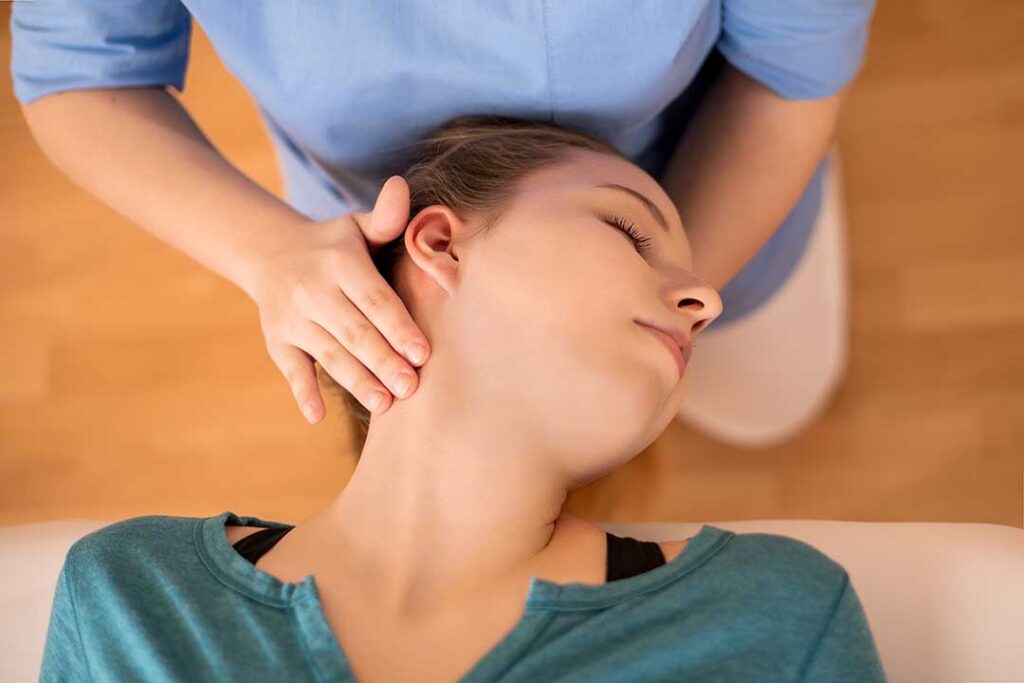
Chiropractic care may support mobility by addressing musculoskeletal restrictions that make movement uncomfortable or inefficient. Depending on the individual’s health history, care may include gentle joint mobilization, soft-tissue techniques, movement education, posture guidance, and exercises.
For example, an older adult with back stiffness may find it difficult to stand upright after sitting. An appropriately selected mobility program may focus on comfortable spinal and hip movement, gradual strengthening, and strategies for changing positions safely.
The goal is not to “realign” the entire body or reverse normal aging. A more realistic goal is to help a person move with less discomfort and greater confidence while preserving function.
Research summarized by the National Center for Complementary and Integrative Health indicates that spinal manipulation may provide modest improvements in pain and function for some adults with low-back pain. Function can include walking, standing, sleeping, and completing household tasks. ([nccih.nih.gov](https://www.nccih.nih.gov/health/spinal-manipulation-what-you-need-to-know?utm_source=openai))
Can chiropractic treatment improve balance?
Chiropractic treatment alone should not be viewed as a complete balance program. Balance depends on several systems working together, including vision, inner-ear function, leg strength, reaction time, sensation in the feet, medications, and blood pressure.
A musculoskeletal evaluation may identify stiffness or weakness that affects how a person stands or walks. However, balance improvement generally requires active practice. NIA recommends balance activities such as heel-to-toe walking, standing from a seated position, and carefully practicing supported standing movements. A sturdy chair, wall, or another stable support should be nearby when needed. ([nia.nih.gov](https://www.nia.nih.gov/health/exercise-and-physical-activity/three-types-exercise-can-improve-your-health-and-physical?utm_source=openai))
If dizziness, faintness, new coordination problems, numbness, or repeated falls are present, the cause may involve more than the spine or joints. These symptoms warrant medical assessment rather than relying on manipulation or exercise alone.
What might a mobility-focused visit involve?
A careful evaluation should begin with questions about daily function, not just pain. Relevant topics may include walking tolerance, stair use, sleep, previous falls, assistive devices, medications, osteoporosis, surgeries, fractures, and other health conditions.
Movement may be observed through simple tasks such as:
- Rising from a chair
- Walking a short distance
- Turning
- Standing with support
- Moving the neck, back, hips, or shoulders
- Reaching or bending within a comfortable range
Treatment should be adapted to age, strength, bone health, flexibility, and medical history. Some people may tolerate gentle mobilization well, while others may be better suited to exercise instruction, activity modification, or coordination with a physician or physical therapist.
A useful plan should also identify what the person wants to do more comfortably—such as preparing meals, walking to nearby destinations, gardening, bathing, or carrying light groceries.
Is spinal manipulation safe for seniors?
Safety depends on the person, the technique, and the underlying health conditions. Mild temporary soreness, stiffness, headache, or increased discomfort can occur after spinal manipulation or mobilization and often resolves within a day. Serious complications are rare, but they have been reported, and risk may be higher when certain health problems are present. ([nccih.nih.gov](https://www.nccih.nih.gov/health/spinal-manipulation-what-you-need-to-know?utm_source=openai))
Older adults should make sure the practitioner knows about:
- Osteoporosis or a history of fractures
- Cancer affecting the bones
- Recent surgery or significant injury
- Blood-thinning medication
- Inflammatory arthritis
- Neurological symptoms
- Unexplained weight loss or fever
- Severe or rapidly worsening pain
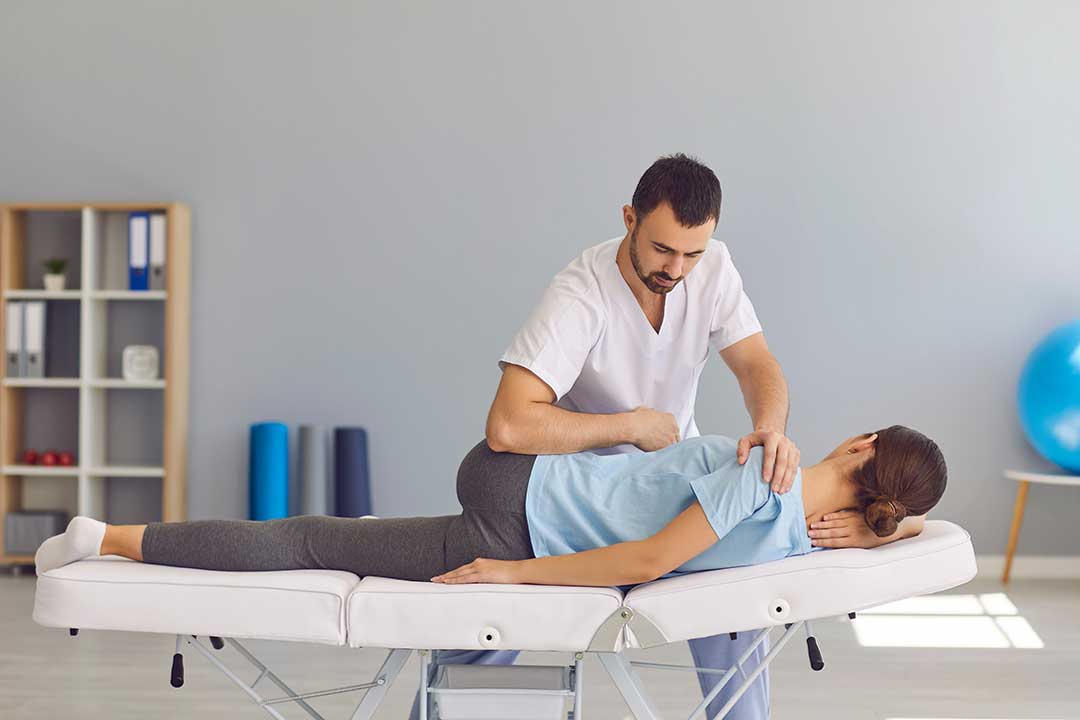
Forceful techniques are not appropriate for everyone. A cautious approach may use lower-force methods, positioning changes, or active exercises instead.
Neck manipulation deserves particular care. Older-adult research summarized by NCCIH found that stroke events were uncommon, but neck symptoms can sometimes reflect an existing vascular or neurological problem. Sudden severe headache, unusual neck pain, weakness, trouble speaking, facial drooping, or vision changes require urgent medical attention rather than routine musculoskeletal treatment. ([nccih.nih.gov](https://www.nccih.nih.gov/research/research-results/low-risk-of-stroke-after-chiropractic-spinal-manipulation-in-older-patients-with-neck-pain-study-finds?utm_source=openai))
What other habits protect mobility?
The strongest mobility plan combines several forms of activity. CDC guidance for adults age 65 and older includes aerobic activity, muscle-strengthening exercise at least two days per week, and balance activities. The amount and intensity should be adjusted to current ability and health status. ([cdc.gov](https://cdc.gov/physical-activity-basics/adding-older-adults/what-counts.html?utm_source=openai))
Practical examples include:
- Short, regular walks instead of occasional demanding outings
- Sit-to-stand practice using a stable chair
- Resistance bands or light weights when appropriate
- Supported heel raises and leg-strengthening movements
- Tai chi or other supervised balance activities
- Gentle mobility exercises after prolonged sitting
Seasonal conditions also matter in Floral Park. Wet leaves, snow, ice, dim winter lighting, and slippery entryways can make outdoor walking more hazardous. NIA recommends extra caution on wet or icy surfaces, secure footwear, clear walkways, and properly fitted canes or walkers when prescribed. ([nia.nih.gov](https://www.nia.nih.gov/health/falls-and-falls-prevention/falls-and-fractures-older-adults-causes-and-prevention?utm_source=openai))
Inside the home, useful precautions include better lighting, secure handrails, removal of loose rugs, and clear paths between bedrooms, bathrooms, and frequently used rooms.
When is another type of evaluation needed?
Chiropractic care may be reasonable for some mechanical back, neck, or joint problems, but not every mobility change is mechanical. A physician, neurologist, physical therapist, occupational therapist, pharmacist, or eye-care professional may be needed depending on the symptoms.
Prompt medical evaluation is especially important after a fall, when pain follows an injury, when weakness or numbness develops, or when walking ability changes suddenly. Falls can also be related to medication side effects, vision problems, blood pressure changes, diabetes, heart conditions, or neurological disorders. ([nia.nih.gov](https://www.nia.nih.gov/health/falls-and-falls-prevention/falls-and-fractures-older-adults-causes-and-prevention?utm_source=openai))
The most dependable approach is individualized: identify the reason movement has changed, address pain and stiffness carefully, build strength and balance gradually, and make the home and outdoor environment easier to navigate.
